
Sacroiliac Joint Pain Management: A Guide From Oklahoma Pain Treatment Centers
Did you know the SI joint is a source of pain in about 15% to 30% of patients with chronic low back pain, yet it's frequently misdiagnosed as spine or hip problems?
An experienced Midwest City pain management doctor can accurately diagnose SI joint dysfunction and create targeted treatment plans that address the root cause instead of masking symptoms.
Read this if you want to understand what triggers SI joint pain, how to recognize the symptoms, and which treatment options provide lasting relief.
Understanding the Sacroiliac Joints
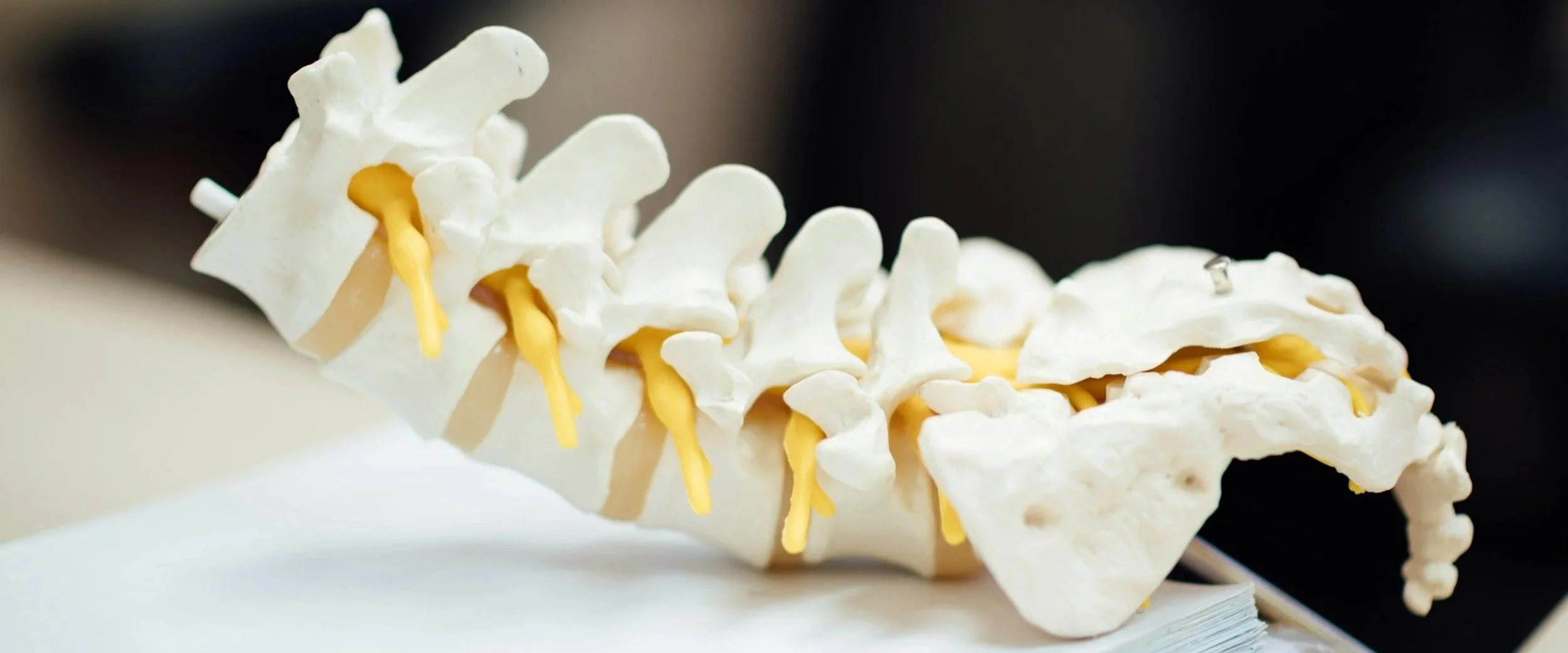
Sacroiliac joints are located where the triangular bone at the base of your spine — your sacrum — meets a part of your pelvis called ilium. They function primarily as shock absorbers, distributing weight between your upper body and legs. Your SI joints rely on strong ligaments and surrounding muscles for stability, allowing for a small range of motion.
Common Causes of Sacroiliac Joint Pain
Many factors can contribute to SI joint pain, and it’s always best to consult a pain management specialist for a professional diagnosis. Some of the most common causes of sacroiliac joint pain include:
Joint Dysfunction or Misalignment: Hypermobility means that the SI joints move too much, while hypomobility means they move too little. Either can cause pain and instability.
Inflammation: Inflammation of the SI joints, known as sacroiliitis, can cause sharp or aching pain in the lower back, hips, or buttocks.
Injury or Trauma: Falls, car accidents, or repetitive stress injuries can damage the SI joints and surrounding ligaments.
Pregnancy and Hormonal Changes: Your gait changes during pregnancy, which can make the SI joints more susceptible to pain and instability.
Arthritis and Degenerative Changes: Conditions like osteoarthritis or ankylosing spondylitis can lead to SI joint degeneration and chronic pain.
Leg Length Discrepancy: If one leg is shorter than the other, it can create an imbalance in the pelvis, placing uneven stress on the SI joints.
Symptoms of SI Joint Pain
SI joint pain can present in various ways, often mimicking other conditions such as sciatica or lower back pain. Always consult a specialized pain management doctor to ensure you’re experiencing SI joint pain and to outline a treatment plan, especially if you experience the following symptoms:
Pain in the lower back, buttocks, or hips that may worsen with movement or prolonged sitting/standing.
Pain radiating down the leg that can resemble sciatic nerve pain.
Pain that worsens with weight-bearing activities such as walking, climbing stairs, or standing up from a seated position.
Stiffness and reduced range of motion in the lower back and hips.
Pain that improves when lying down but worsens with prolonged activity.
Sacroiliac Joint Pain Diagnosis and Treatment Options
Your pain management doctor will conduct a series of physical examinations, diagnostic injections, and imaging tests like X-rays, MRIs, and CT scans to confirm the source of your pain. From there, they will suggest treatment options in line with the severity of your condition. They may include:
Physical Therapy: Strengthening and stabilizing the core and pelvic muscles can help reduce strain on the SI joints.
Chiropractic Adjustments: Manual manipulation may help realign the joints and improve mobility.
Pain Management: Anti-inflammatory medications, heat/ice therapy, and SI joint injections (corticosteroids) can provide relief.
Bracing or Supports: SI joint belts can help stabilize the pelvis and reduce movement-related pain.
Minimally Invasive Procedures: In severe cases, radiofrequency ablation or SI joint fusion surgery may be recommended.
Get Lasting Relief With Oklahoma Pain Treatment Centers
Your sacroiliac joints are crucial for movement and weight distribution, but when they become dysfunctional or inflamed, you can experience significant pain. Understanding the causes and symptoms of SI joint pain is essential for proper diagnosis and treatment. Bring those questions to a back pain doctor who performs the diagnostic injections regularly.
With appropriate management strategies, including physical therapy, pain relief methods, and lifestyle modifications, you can find relief and improve their quality of life. At Oklahoma Pain Treatment Centers, we offer full pain management services led by Dr. Blake Christensen — a double board-certified specialist in interventional pain management. Reach out to us today for an appointment and let us help you manage your pain.