
Best Swimming Strokes for Relief of Neck and Back Pain
Finding a safe and effective form of exercise is a top priority for our pain management doctor for Midwest City, as it is essential to rebuild your neck or back after an auto accident. One joint-friendly way to reduce lower back pain is swimming because it doesn’t increase lumbar lordosis, which may aggravate pain.
Water provides natural buoyancy that minimizes pressure on the spine while strengthening the supporting muscles. However, not all strokes are equally beneficial. Some can aggravate your symptoms if done incorrectly.
Backstroke: The Best Stroke for Spinal Health
The backstroke is often considered the most therapeutic stroke because it involves a body roll generated by the paraspinal and abdominal muscles, which supports efficient stroke mechanics without excessive spinal hyperextension.
It allows your body to float on the surface with minimal strain on the neck and back, leading to better:
Alignment: Keep your head aligned with your spine and your chin slightly tucked.
Movement: Use controlled and rhythmic arm movements.
Support: Use a flotation aid if needed to maintain balance.
This stroke encourages gentle spinal movement and improves posture without compressing the discs. It neutralizes the curve of the spine to provide a decompression effect that feels incredibly relieving for many patients.
Freestyle (Front Crawl): Effective With Modifications
Freestyle can help build back and core strength because these muscles are critical for spinal support. However, traditional breathing techniques can put strain on the neck due to constant rotation.
Modification: Use a swimmer’s snorkel to avoid repetitive neck movement.
Focus: Concentrate on balanced strokes and proper body alignment.
Stability: Engage your abdominal muscles to keep your body stable in the water.
Proper form is vital when performing this stroke to prevent exacerbating neck injuries. Using a snorkel eliminates the need to twist your neck, so you can reap the cardiovascular benefits without the rotational stress.
Breaststroke: Good for Some, Caution for Others
The breaststroke is a slower and more relaxed stroke that may benefit some patients with back pain. However, repeatedly lifting the head for breathing can worsen neck pain if not done carefully.
Technique: Lift your head only slightly above the water when inhaling.
Glide: Maintain a gentle glide phase to reduce stress on the neck.
Caution: Avoid overextending your neck or arching your lower back.
This stroke requires a delicate balance to ensure it helps rather than hurts. We generally recommend keeping your head lower in the water than competitive swimmers do to maintain a neutral spine alignment.
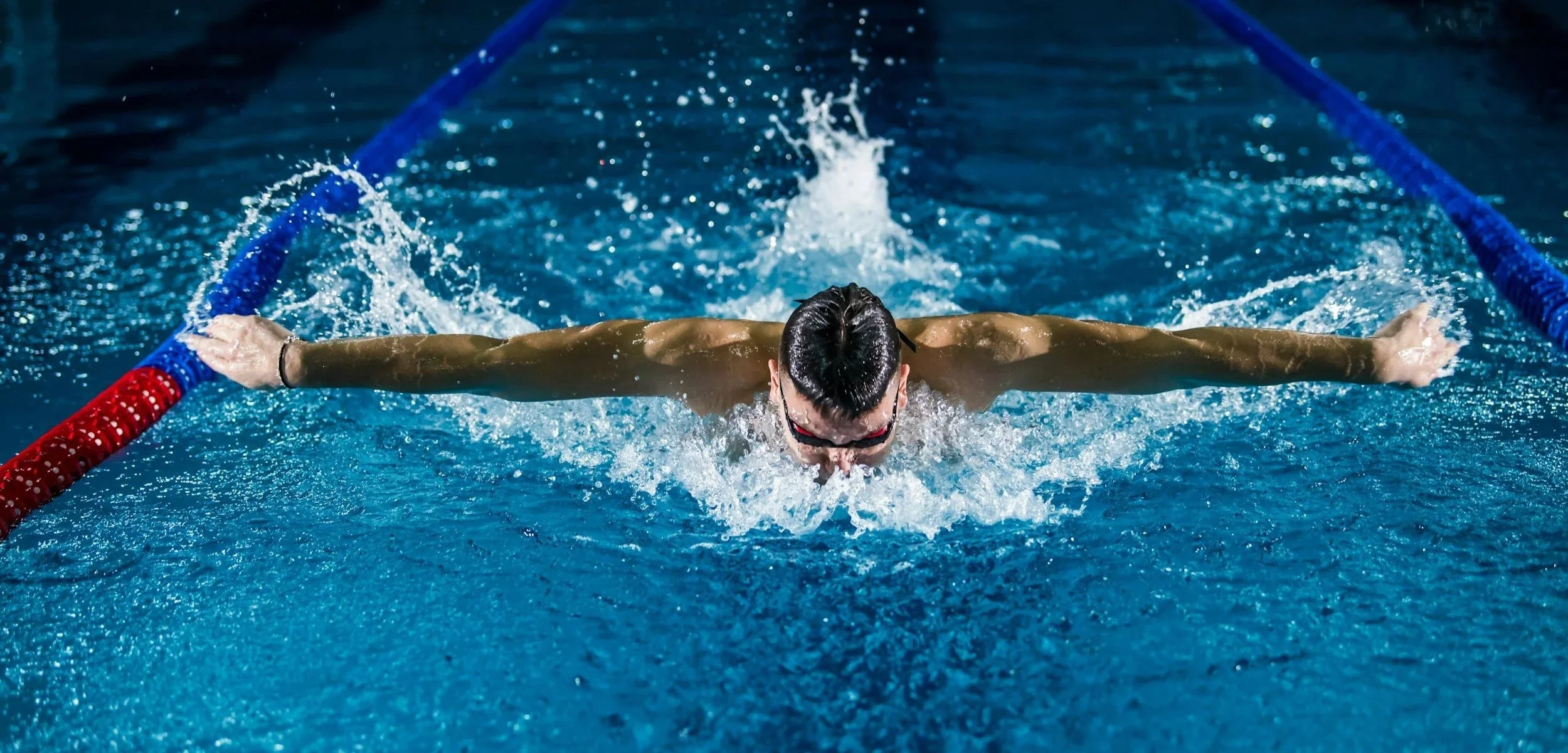
Avoid Butterfly Stroke
The butterfly stroke is not recommended for individuals with neck or back injuries. Its intense, undulating motion can put excessive stress on the spine and aggravate inflammation.
The power required for this stroke forces the spine into deep extension and flexion rapidly. This repetitive hyperextension is often too aggressive for a spine that is trying to heal from injury or degeneration.
Why Swimming Helps Auto Injury Recovery
Swimming promotes spinal healing through several unique mechanisms. It is a low-impact environment that allows for movement without the jarring impact of land-based exercises.
Spinal decompression: Water buoyancy unloads the weight from your vertebrae.
Circulation: Movement improves blood flow to reduce inflammation.
Strengthening: Water resistance builds core muscles that stabilize the spine.
Aquatic therapy may provide the joint pain relief and mobility you need to heal from an auto injury, whether you are recovering from whiplash, a herniated disc, or general musculoskeletal strain.
Safety Tips Before You Swim
You should follow these safety guidelines to ensure your aquatic therapy is effective. Always prioritize proper technique over speed or distance.
Consultation: Always consult your physician or a pain specialist before starting aquatic therapy.
Duration: Start with short sessions of 15 to 20 minutes.
Warm-up: Prepare your muscles with gentle stretches before entering the pool.
Tools: Use support tools like noodles or kickboards if needed.
Our double-board-certified specialists at Oklahoma Pain Treatment Centers are here to help you recover safely. Taking these precautions ensures that your time in the pool aids your recovery instead of causing setbacks.
Finding Long-Term Relief
Swimming is a powerful tool to naturally support your spinal recovery and a valuable part of a comprehensive pain management plan. There are many more options available to treat the root cause of your spinal pain if aquatic therapy is not enough.
Contact Oklahoma Pain Treatment Centers to discuss your options today if you continue to experience pain despite these modifications. We are here to help you move freely and live pain-free. Before changing your routine, a visit with a back pain doctor helps match the stroke to your spine.