
The Best At-Home Exercises to Help with Back Pain
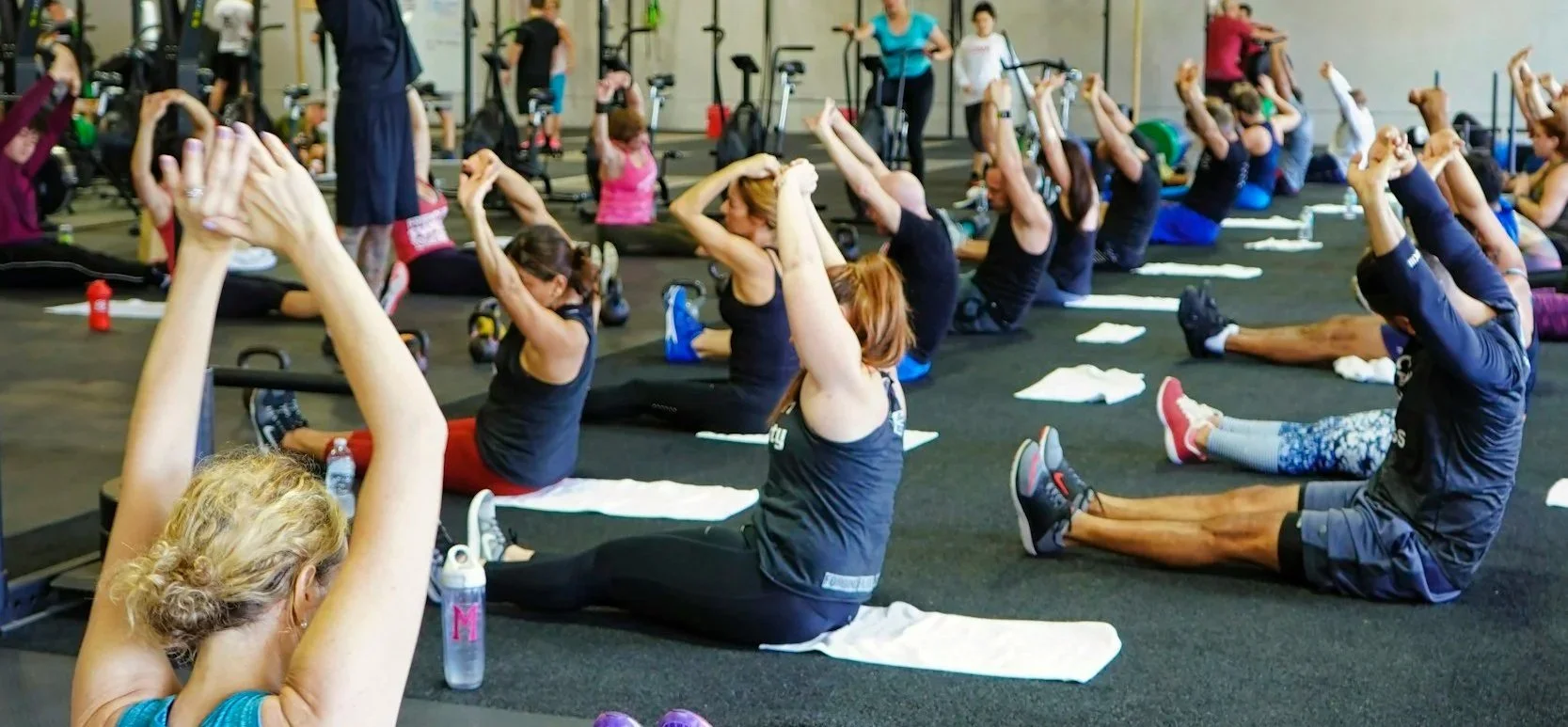
Back pain is one of the most common reasons patients walk through our doors. Whether it stems from poor posture, long hours at a desk, or an old sports injury, the stiffness can significantly impact your quality of life.
At Oklahoma Pain Treatment Centers, we specialize in Classen-Ten-Penn pain management and believe motion is "lotion" for the spine. Below are five of the best exercises for back pain that you can do safely in the comfort of your home.
1. Cat-Cow Stretch
This movement is excellent for "waking up" a stiff spine and improving flexibility. It encourages the spine to move through its full range of motion and strengthens your spine naturally without weight.
Here is how to do the Cat cow stretch:
Start position: Begin on your hands and knees in a tabletop position with your wrists under your shoulders and knees under your hips.
The cow phase: Inhale deeply as you arch your back by lifting your head and tailbone toward the ceiling.
The cat phase: Exhale fully as you round your spine toward the ceiling while tucking your chin to your chest.
Repetition: Perform 10 to 15 cycles smoothly.
This sequence gently mobilizes the vertebrae to reduce stiffness. Self-administered stretching exercises are most effective to start your morning or warm up before other activities because they target the entire length of the spine.
2. Pelvic Tilts
Weak abdominal muscles contribute to back pain because they fail to support the lumbar spine adequately. This subtle movement strengthens the deep core muscles that act as a natural corset for your back.
Start position: Lie on your back with your knees bent and feet flat on the floor.
The movement: Tighten your abdominal muscles to press the small of your back flat against the floor.
Duration: Hold the contraction for 5 seconds and then relax.
Repetition: Complete 10 to 15 repetitions up to twice daily.
Small movements often yield the biggest results for spinal stability. Strengthening the deep abdominal muscles provides a solid foundation that protects the lower back during daily tasks like lifting or bending.
3. Knee-to-Chest Stretch
Tightness in the hips and glutes often pulls on the lower back and causes significant discomfort. This exercise isolates those tight areas to provide immediate relief for the lumbar region.
Start position: Lie on your back with both knees bent.
The movement: Gently pull one knee toward your chest while clasping your hands around your shin or thigh.
Modification: Keep the opposite foot flat on the floor or extend the leg fully for a deeper stretch.
Duration: Hold for 20 to 30 seconds per side.
Repetition: Repeat 2 to 3 times for each leg.
This stretch is particularly effective for people who sit for long periods. It releases mechanical strain and pain in the lower back vertebrae, in the hip flexors, and in the glutes.
4. Bridge Exercise
The glutes and hamstrings are key stabilizers for your spine. Weakness in these areas forces the back muscles to work overtime, but the bridge exercise reverses this dynamic.
Start position: Lie on your back with knees bent and feet hip-width apart.
The movement: Press through your heels to lift your hips until your body forms a straight line from shoulders to knees.
Safety tip: Squeeze your glutes at the top and avoid over-arching your back.
Duration: Hold for 5 seconds and lower slowly.
Repetition: Perform 10 to 15 repetitions.
Building strength in the posterior chain is essential for long-term back health. A strong set of glutes absorbs shock and supports the pelvis so that your lower back does not have to bear the entire burden of your body weight.
5. Child’s Pose
This restorative posture elongates the spine and relieves stress. It is a passive stretch that allows gravity to do the work of opening up tight spinal joints.
Start position: Kneel on the floor and sit back on your heels.
The movement: Reach your arms forward on the floor and lower your torso between your knees.
Focus: Let your forehead rest on the floor or a cushion.
Duration: Hold for 30 to 60 seconds while breathing deeply.
Ending your routine with this pose helps calm the nervous system and lengthen the spinal muscles. It provides a moment of rest that reinforces the benefits of the active exercises you just completed.
Strengthening Your Spine Long-Term
Exercise is a key component of recovery. However, it is just one piece of the puzzle. There are many more holistic options for musculoskeletal pain that focus on the root causes of inflammation and enhancing your body's natural healing processes.
Contact Oklahoma Pain Treatment Centers today to discuss your options if these exercises cause pain or do not provide relief. We are here to help you move freely and live pain-free.